
Sri Lanka's Most Iconic Beach
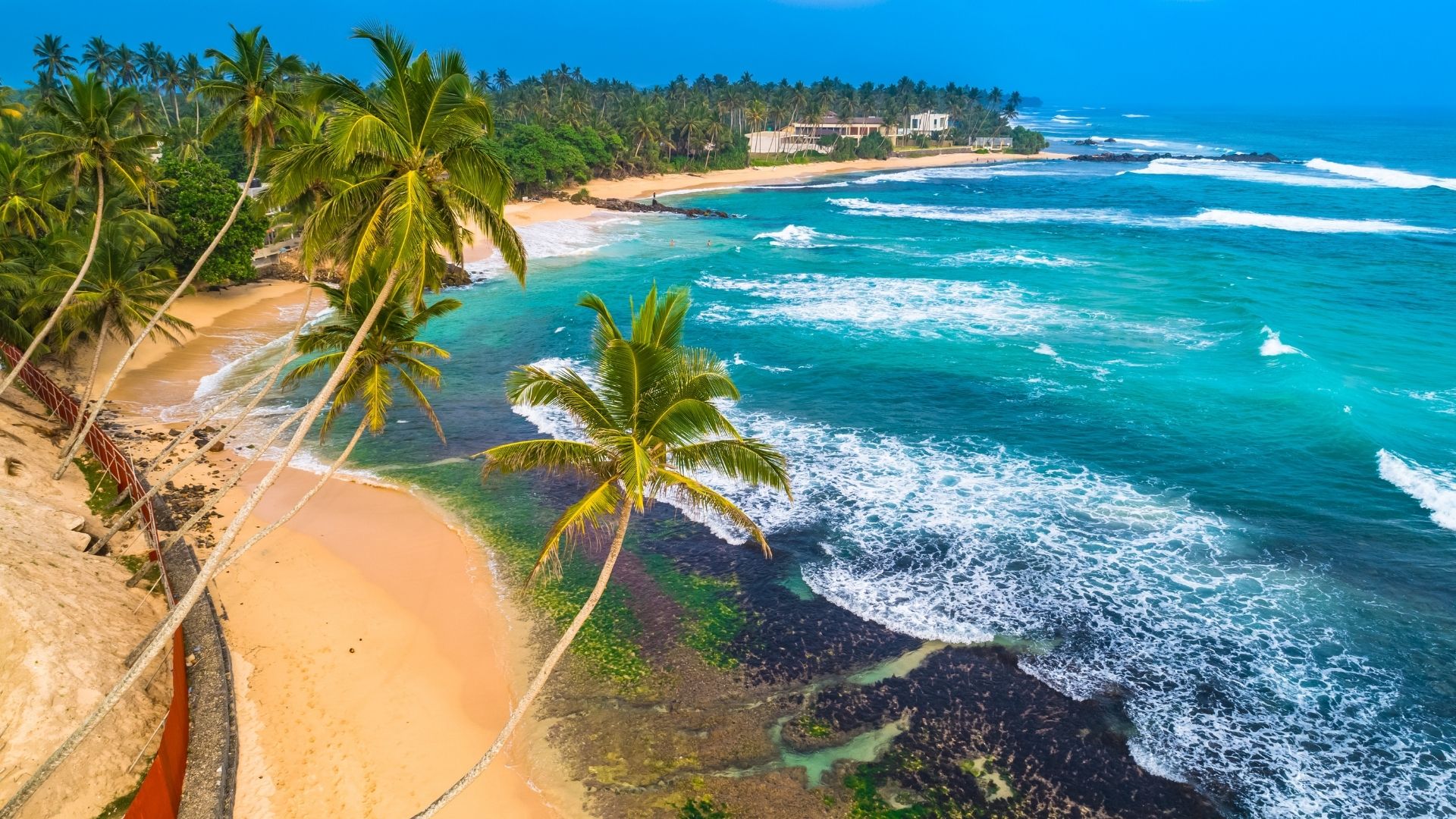
Curving like a perfect golden smile along the southwestern coast, Unawatuna Beach has captured travelers' hearts for decades. Just 6 kilometers southeast of historic Galle Fort, this crescent-shaped bay offers everything beach lovers desire—powder-soft sand, calm turquoise waters protected by an offshore coral reef, coconut palms swaying in the sea breeze, and a vibrant atmosphere that pulses from sunrise yoga sessions to sunset cocktails. Named among the world's best beaches by various travel publications, Unawatuna combines natural beauty with developed infrastructure, creating that rare balance where you can enjoy pristine waters while having excellent restaurants, comfortable accommodation, and water sports just steps away.
The beach stretches approximately one kilometer in a graceful arc, bordered by rocky headlands at both ends that frame the bay perfectly. During calm conditions, the water takes on impossible shades of blue and turquoise, so vivid they seem enhanced by filters even in real life. A protective double reef system offshore breaks the Indian Ocean's power, creating a natural swimming pool where even nervous swimmers feel confident and children can play safely in shallow waters. This protection made Unawatuna famous—a beach where you can actually swim comfortably most of the year, unlike many Sri Lankan beaches where strong currents and rough surf limit water activities.
Beyond swimming, Unawatuna offers diverse attractions. The coral reefs provide excellent snorkeling and diving opportunities, with several dive schools offering PADI courses and guided excursions to nearby wrecks. Beach restaurants serve everything from traditional Sri Lankan rice and curry to international fusion cuisine, their tables literally on the sand with waves lapping just meters away. Accommodation ranges from budget guesthouses tucked into palm groves to boutique hotels with infinity pools overlooking the bay. This variety attracts diverse visitors—backpackers, families, honeymooners, and even business travelers escaping Colombo for beach weekends—all finding their perfect Unawatuna experience.
World-Famous Beach
Discovery Channel once ranked Unawatuna among the world's 12 best beaches. The combination of calm protected waters, vibrant coral reefs, and convenient location near Galle Fort makes it Sri Lanka's most internationally recognized beach destination.
Swimming and Beach Activities
Unawatuna's primary appeal remains its exceptional swimming conditions. The offshore reef creates a natural barrier, breaking waves before they reach the shore and maintaining calm waters throughout most of the year. During the dry season (November-April), the bay becomes almost lake-like on still days, with gentle wavelets rather than crashing surf. Water temperature hovers around a pleasant 27-28°C year-round, comfortable for extended swimming sessions without wetsuits.
The beach slopes gradually into deeper water, making entry easy for all ages and swimming abilities. Young children can splash in ankle-deep shallows extending 20-30 meters from shore, while stronger swimmers can reach deeper water beyond the reef where conditions become more challenging. The sandy bottom stays relatively consistent—no sudden drop-offs or hidden rocks to worry about, though reef shoes help protect against occasional coral fragments and sea urchins in certain areas.
Stand-up paddleboarding (SUP) has become increasingly popular on Unawatuna's calm waters. Several operators rent boards by the hour, and the protected bay provides ideal learning conditions for beginners. Paddling along the coast offers different perspectives on the beach and opportunities to explore the rocky headlands framing the bay. Morning sessions when winds remain light offer the best conditions, while afternoons can bring onshore breezes that make paddling more challenging.
Kayaking opportunities exist as well, with rental outlets providing single and double kayaks for exploring the coastline. Paddle to the eastern headland where rock formations create dramatic photo backdrops, or head west toward the Japanese Peace Pagoda visible on its hilltop perch. Calm morning conditions again provide optimal kayaking, before afternoon wind strengthens and waves increase.
For those preferring dry relaxation, the beach itself provides ample space for sunbathing, though finding private stretches becomes challenging during peak season. Many beachfront restaurants set out sun loungers with umbrellas, typically free for customers who order food or drinks. This creates an easy rhythm—swim, dry off in the sun with a book, cool down with fresh juice or cold Lion beer, then repeat. The ultimate stress-free beach day.
Underwater Adventures
The coral reef protecting Unawatuna creates an underwater world worth exploring. Snorkeling is easily accessible directly from the beach—rent mask, fins, and snorkel from beachside vendors, then swim out 50-100 meters to reach the reef. Visibility varies with season and conditions but often exceeds 10 meters during calm periods. The reef hosts colorful tropical fish—parrotfish, angelfish, butterflyfish, and various wrasse species dart among the coral formations. Sea turtles occasionally make appearances, gliding gracefully through the blue water, and moray eels hide in reef crevices, their heads poking out with mouths agape (a breathing behavior, not aggression).
The reef suffered damage from the 2004 tsunami and subsequent natural recovery continues gradually. While not as pristine as untouched reefs in more remote locations, Unawatuna's corals still provide fascinating snorkeling for those new to the activity or wanting convenient underwater access without boat trips. The protected location means snorkeling is possible most days, though post-rain periods when rivers discharge sediment temporarily reduce visibility.
Scuba diving opportunities extend beyond the near-shore reef to deeper sites and several interesting wrecks offshore. Multiple dive schools operate from Unawatuna, offering everything from beginner Discover Scuba dives to advanced technical diving courses. Popular sites include the Rangoon wreck, a British cargo ship sunk in 1863 that lies in 18-30 meters of water, its deteriorated structure now home to schools of fish and occasionally visited by turtles and reef sharks. The Lord Nelson wreck, another British vessel from the same era, provides similar underwater exploration opportunities.
Diving conditions peak during the November-April dry season when visibility reaches 20-30 meters on good days. Water temperature stays comfortable without thick wetsuits, and seas remain generally calm. The monsoon season (May-October) brings reduced visibility and rougher seas, with some dive operations closing temporarily or running limited schedules depending on conditions. Serious divers might prefer Sri Lanka's east coast during this period, where opposite monsoon patterns create better diving windows.
Dining and Nightlife
Unawatuna's dining scene rivals any beach destination in Sri Lanka. The beach strip hosts dozens of restaurants ranging from simple Sri Lankan cafes to upscale establishments serving international cuisine. Beachfront restaurants provide the quintessential experience—tables literally on the sand, waves providing ambient soundtrack, stunning sunset views painting the sky in oranges and purples as you enjoy your meal. Many specialize in fresh seafood—grilled prawns, whole fish prepared with Sri Lankan spices, crab curry, and lobster when available.
Sri Lankan cuisine shines at local establishments where rice and curry arrives in a traditional spread—rice piled on your plate, surrounded by small dishes of various curries (fish, chicken, dhal, vegetables), sambols (spicy condiments), and pappadums. This represents authentic island eating, with heat levels adjusted to tourist tolerance though brave diners can request "Sri Lankan spicy" for the full experience. Breakfast options include hoppers (bowl-shaped pancakes), string hoppers (steamed rice noodles), and kottu roti (chopped flatbread stir-fried with vegetables and meat)—stick-to-your-ribs meals that fuel full beach days.
International options cater to diverse palates—Italian restaurants serve pizza and pasta, beachside cafes offer smoothie bowls and avocado toast for health-conscious visitors, and various fusion restaurants blend Sri Lankan spices with Western techniques. Quality varies significantly, so recommendations from recent travelers or hotel staff help identify the best current options. Prices remain reasonable compared to Western standards, though tourist-focused establishments charge considerably more than local cafes.
Nightlife at Unawatuna centers around beach bars and restaurants that transition from dinner service to drinks and socializing. Several venues feature live music—local bands playing reggae, rock covers, or acoustic sets that enhance the tropical atmosphere. Dancing becomes more spirited as nights progress, with some places hosting weekly parties that draw crowds from along the coast. The scene stays relatively mellow compared to party destinations like Mirissa, appealing to those who enjoy social beachside evenings without overwhelming club vibes.
Beyond the Beach
Unawatuna's location near Galle Fort provides easy access to cultural attractions when beach time needs breaking up. The Galle Fort, just 6 kilometers away, deserves at least half a day exploring its colonial architecture, rampart walks, museums, and shops. Many visitors base themselves at Unawatuna for beach relaxation while making day trips to the fort, enjoying the best of both experiences—historical exploration followed by refreshing ocean swims.
The Japanese Peace Pagoda sits atop a hill just west of Unawatuna beach, accessible via a 20-30 minute uphill walk or quick tuk-tuk ride. Built in 2005 after the tsunami, the gleaming white stupa provides panoramic views across Unawatuna, Galle, and the Indian Ocean. Visit at sunrise or sunset when light creates magical atmospheric conditions and temperatures moderate. The site maintains peaceful serenity, with resident monks welcoming respectful visitors.
Jungle Beach, a small secluded cove accessible via a 10-minute walk through forest from Unawatuna's eastern end, offers an alternative to the main beach. The path winds through jungle vegetation before emerging at a small, less developed bay where swimming feels more isolated. Bring snorkel gear—the reef here often provides better coral viewing than the main beach, and the effort required to reach it means fewer people sharing the waters.
Yatagala Raja Maha Viharaya, an ancient Buddhist temple carved into a massive rock formation, sits about 3 kilometers inland. The temple features a large reclining Buddha and offers excellent views from its elevated position. Few tourists visit, making it a peaceful cultural excursion accessible by tuk-tuk. The temple maintains active worship, so visit respectfully with appropriate dress (covered shoulders and knees).
Where to Stay
Unawatuna offers accommodation across all price ranges, from budget guesthouses to luxury resorts. Beachfront properties command premium prices but provide unbeatable convenience—roll out of bed, walk 20 steps, and you're in the ocean. Several boutique hotels occupy prime positions with pools, restaurants, and stylish rooms that balance comfort with character. Book these well in advance during peak season (December-March) as the limited beachfront real estate fills quickly.
Mid-range options set slightly back from the beach—30 seconds to 2 minutes walk—offer excellent value. Family-run guesthouses provide clean rooms with air conditioning, hot water, and often include breakfast. Hosts typically offer helpful local knowledge, arranging tuk-tuks, recommending restaurants, and providing insider tips that enhance stays. The slight distance from the beach means quieter nights while maintaining easy access to swimming and dining.
Budget travelers find numerous cheap guesthouses in the lanes behind the beach. Basic rooms with fans and shared bathrooms start around $10-15 per night, perfect for backpackers spending days on the beach and needing only simple places to sleep. Standards vary significantly at this level—inspect rooms before committing, and read recent reviews to identify well-maintained properties versus those coasting on past reputations.
Long-term rentals appeal to digital nomads and extended travelers. Several property owners offer monthly rates for apartments and houses, particularly during the quieter monsoon season when tourism slows. These provide good value for those planning to explore the region while maintaining a beach base, with full kitchens reducing food costs compared to daily restaurant eating.
When to Visit
Unawatuna experiences distinct seasons affecting beach conditions and visitor numbers. The dry season (November-April) brings peak tourism and optimal beach weather. Calm seas, reliable sunshine, and minimal rainfall create perfect conditions for swimming, snorkeling, and water sports. December through February sees the highest visitor numbers, including European winter sun-seekers and Sri Lankan holiday crowds. Accommodation prices rise significantly, and the beach feels crowded compared to quieter months. Booking ahead becomes essential, and popular restaurants require reservations.
March and April remain dry but temperatures rise, sometimes becoming uncomfortably hot during midday. However, excellent beach conditions continue, and slightly reduced crowds create better value and more relaxed atmospheres. These shoulder months offer sweet spots for visitors seeking good weather without peak season intensity.
The southwest monsoon (May-September) transforms Unawatuna significantly. Rough seas, strong winds, and frequent rainfall make swimming challenging and sometimes dangerous. The protective reef reduces but doesn't eliminate monsoon impacts—waves still reach the beach with considerable power, and currents strengthen. Many beachfront restaurants and guesthouses close or reduce operations during these months. However, intrepid visitors find advantages—dramatically lower prices, near-empty beaches during rain breaks, and spectacular storm watching as waves crash dramatically against the reef. It's beautiful in a wild, powerful way that contrasts completely with dry season tranquility.
October marks transition from monsoon to dry season, with improving conditions but unpredictable weather. Some excellent days intersperse with rainy periods, and the ocean gradually calms. Prices remain low while conditions improve, making it another potential shoulder season for budget-conscious travelers who can tolerate occasional weather interruptions.
Snorkeling at Unawatuna: Seasonal Conditions Guide
Unawatuna's horseshoe bay creates naturally sheltered snorkeling conditions, but visibility and marine life vary significantly throughout the year. Plan your underwater adventures accordingly:
December–March (Peak): Crystal-clear visibility of 15–25 meters. Calm, warm waters perfect for beginners. The reef near Rumassala headland teems with parrotfish, angel fish, and occasional sea turtles. This is the absolute best window for snorkeling.
April (Transition): Visibility remains good (10–15m) in early April but becomes unpredictable by mid-month. Water temperature stays comfortable at 28–29°C. Still enjoyable but check daily conditions.
May–September (Monsoon): Southwest monsoon brings swells, reduced visibility (3–8m), and stronger currents. Snorkeling is not recommended for inexperienced swimmers. However, Jungle Beach (a 10-minute walk from Unawatuna) offers more sheltered conditions even during monsoon months.
October–November (Recovery): Seas settle, visibility gradually improves. By late November, conditions return to excellent. Fewer crowds mean you'll often have the reef to yourself — a hidden sweet spot for experienced snorkelers.
Essential Tips for Your Visit
- Book accommodation early: Peak season (Dec-March) fills up weeks in advance
- Bring reef shoes: Protect feet from coral fragments and sea urchins
- Use sun protection: Tropical sun is intense, even on cloudy days
- Bargain respectfully: Negotiate prices for longer stays or services
- Try local food: Best value and authentic Sri Lankan flavors
- Visit Galle Fort: Just 15 minutes away by tuk-tuk
- Swim during calm conditions: Check conditions before entering water
- Respect local culture: Dress modestly when walking through village areas
Getting to Unawatuna
Unawatuna's proximity to Galle makes access straightforward. From Galle Fort, tuk-tuks cover the 6 kilometers in 15 minutes, costing 400-600 rupees depending on negotiation skills and traffic. Local buses run frequently along the coast road, offering rock-bottom prices (50-100 rupees) though with crowded conditions and uncertain schedules. Many travelers walk the route when weather permits—a pleasant 1.5-hour coastal stroll passing through neighborhoods and offering ocean glimpses.
From Colombo, express buses and trains serve Galle throughout the day. The train journey takes about 2.5-3 hours and provides scenic coastal views, making it preferable to buses for those not rushed. Private taxis cover the 116 kilometers in approximately 2 hours via the Southern Expressway, convenient for travelers with significant luggage or arriving at Bandaranaike International Airport who want direct beach transfers.
From southern destinations like Mirissa, Weligama, or Tangalle, regular buses ply the coast road. Mirissa to Unawatuna takes about 45 minutes, Tangalle about 2 hours. Tuk-tuks offer more comfortable alternatives at higher costs. Many travelers combine southern coast beaches in multi-day itineraries—spending time in several locations rather than committing to a single beach for entire stays.
Ready for Unawatuna Beach Paradise?
Experience Sri Lanka's most famous beach with calm protected waters perfect for swimming, excellent snorkeling, and vibrant beachside dining. We'll help you find the perfect accommodation and arrange seamless transport from anywhere on the south coast.