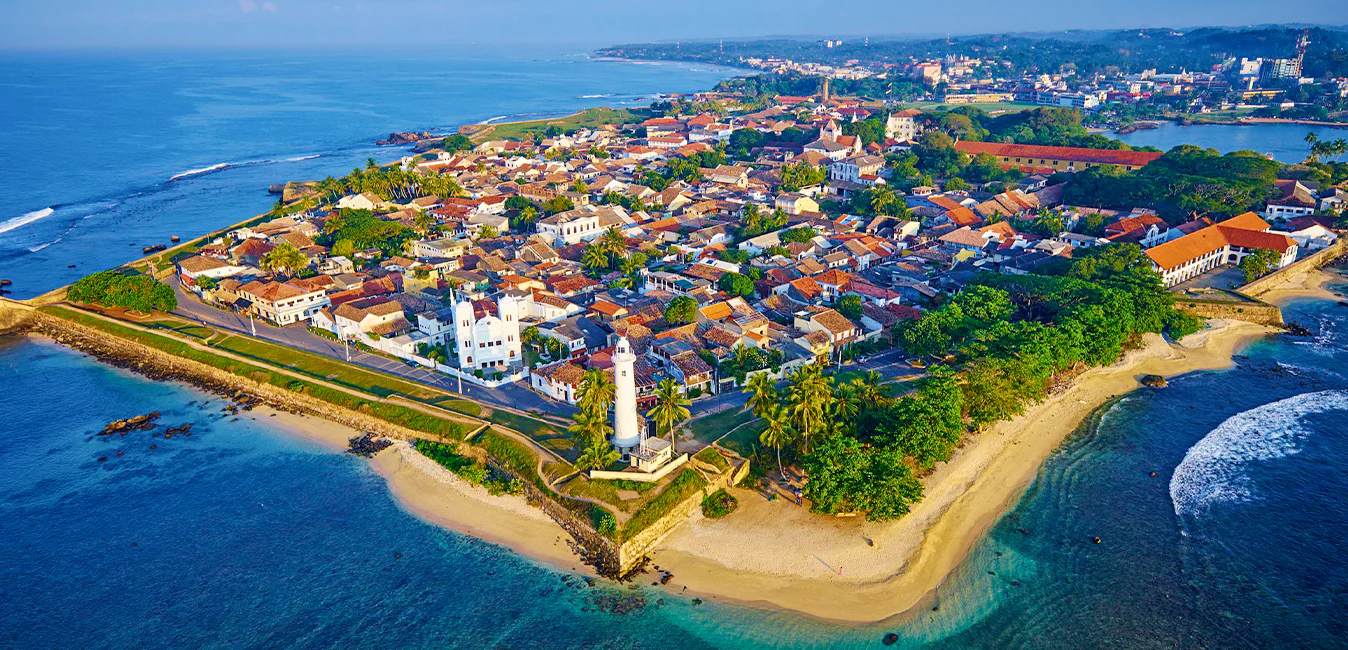

A Fortress Frozen in Time
Walking through the massive stone gateway of Galle Fort feels like stepping through a portal into another era. Cobblestone streets wind past centuries-old colonial buildings, their thick walls painted in pastel yellows and whites that glow golden in the tropical sunlight. This isn't just another historical site—Galle Fort is a living, breathing community where modern cafes operate inside 17th-century Dutch warehouses, boutique hotels welcome guests in former colonial mansions, and local families continue traditions established over 400 years ago.
Located 116 kilometers south of Colombo on Sri Lanka's southwestern coast, Galle Fort represents one of the finest examples of a fortified city built by Europeans in South and Southeast Asia. The Dutch constructed these massive ramparts between 1663 and 1667, transforming an earlier Portuguese fort into an impregnable stronghold that would protect their valuable spice trade routes for nearly 150 years. Today, this 36-hectare walled enclave stands as a UNESCO World Heritage Site, recognized not just for its remarkable preservation but for demonstrating the interaction between European architectural styles and South Asian traditions.
What makes Galle truly special is how it remains intensely alive. Unlike many historic sites that feel like open-air museums, Galle Fort buzzes with contemporary energy. Children play cricket on the grassy ramparts where Dutch soldiers once stood guard. Artists display their work in galleries housed in former spice warehouses. Fishermen cast lines from the same stone walls where colonial governors watched for approaching ships. This seamless blend of past and present, of preservation and daily life, creates an atmosphere you won't find anywhere else in Sri Lanka.
UNESCO Recognition
Galle Fort received UNESCO World Heritage status in 1988 for being "the best example of a fortified city built by Europeans in South and Southeast Asia, showing the interaction between European architectural styles and South Asian traditions."
Essential Historic Landmarks
The fort's layout follows classic European military architecture, with fourteen distinctive bastions connected by a continuous rampart wall that stretches 3 kilometers around the peninsula. Each bastion bears a Dutch name and tells its own story. The Main Gate (built in 1669) greets visitors with the British coat of arms, added when they took control in 1796, flanked by the original Dutch VOC (United East India Company) monogram that speaks to the fort's mercantile origins.
The Galle Lighthouse stands as the fort's most photographed landmark, rising 26 meters above Flag Rock at the southeastern tip. Built in 1939 after an earlier lighthouse was destroyed, this iconic white tower marks the point where the Indian Ocean's waves crash most dramatically against the ancient ramparts. At sunset, photographers and couples gather here to watch the sky transform into brilliant oranges and purples while the lighthouse keeper prepares for the evening's work.
Inside the fort walls, the Dutch Reformed Church (completed in 1755) showcases classical colonial architecture with its distinctive bell tower and pipe organ. The floor is paved with tombstones bearing Dutch inscriptions—a somewhat macabre but historically fascinating tradition. Nearby, the National Maritime Museum occupies a restored Dutch warehouse and displays artifacts recovered from shipwrecks, traditional fishing equipment, and exhibits explaining the region's maritime heritage spanning over 2,000 years.
The Old Dutch Hospital, originally built in the 1680s to treat sailors and soldiers, has been beautifully transformed into a dining and shopping precinct while maintaining its colonial character. The long, colonnaded building now houses upscale restaurants, artisan shops, and cafes where you can enjoy a coffee while imagining the building's previous life treating fever-stricken Dutch sailors far from home.
Perfect Walking Routes
The best way to experience Galle Fort is on foot, and the most rewarding route begins with a complete rampart walk. Start at the Main Gate and turn left to follow the walls clockwise. This 3-kilometer circuit takes approximately 90 minutes at a leisurely pace and offers constantly changing perspectives—waves crashing against rocks on one side, the fort's interior life unfolding on the other.
As you walk, you'll pass through distinct sections. The northern ramparts face the modern town and cricket stadium, providing excellent views of contemporary Galle life. The eastern and southern sections follow the coastline, where the ocean breeze provides relief from the tropical heat and local boys dive fearlessly from the walls into the churning waters below. The western ramparts overlook the harbor, where fishing boats and cargo ships continue Galle's maritime tradition.
For the interior streets, Church Street forms the fort's main commercial artery, lined with boutiques selling jewelry, textiles, and souvenirs. Parallel to it, Pedlar Street and Leyn Baan Street offer quieter walking with colonial-era residences, art galleries, and cafes tucked into restored buildings. Don't miss Rampart Street, which runs inside the eastern wall and features some of the fort's most beautifully preserved mansions, several now operating as boutique hotels.
The Lighthouse area deserves extra time, particularly around sunset. Flag Rock, the promontory where daring locals perform cliff jumps, provides spectacular ocean views and photo opportunities. Nearby, the Meera Mosque (built in 1904) adds architectural diversity to the predominantly colonial landscape, its white walls and minarets creating striking contrasts against the blue sky.
Best Time to Visit
Galle Fort welcomes visitors year-round, but timing your visit enhances the experience. The dry season from December to March offers the most comfortable weather—warm days with low humidity and minimal rainfall. During these months, the fort fills with international tourists, creating a cosmopolitan atmosphere but also meaning popular restaurants may require reservations.
Early mornings (6:00-9:00 AM) present the fort in its most authentic light. Local residents outnumber tourists, vendors set up fresh produce stalls, and the ramparts belong to joggers and meditation practitioners. The soft morning light is perfect for photography, and temperatures remain pleasant for walking. Most shops and attractions open by 9:00 AM, allowing you to combine peaceful exploration with later shopping and dining.
Late afternoons beginning around 4:00 PM transform the fort's atmosphere again. As the day's heat subsides, families emerge for rampart walks, and the golden hour before sunset creates magical lighting conditions. The lighthouse area becomes particularly crowded between 5:30-6:30 PM as everyone gathers for the sunset spectacle, but the scene itself—with dozens of people silhouetted against the colorful sky—makes a memorable part of the Galle experience.
The monsoon season (May-September) brings afternoon rains but shouldn't deter visitors. Morning hours often remain dry, and rain creates dramatic ocean conditions around the ramparts. Hotel rates drop significantly during this period, and the fort feels less touristy. Just bring an umbrella and remain flexible with outdoor plans.
Cultural Experiences & Local Life
Beyond its architectural splendor, Galle Fort thrives as a cultural hub where traditional Sri Lankan life intersects with contemporary arts and international influences. The fort hosts numerous galleries showcasing both established and emerging artists—Barefoot Gallery on Pedlar Street features textile arts and handloom products, while several smaller galleries along Church Street display paintings, sculptures, and photography focused on Sri Lankan themes.
The Galle Literary Festival, held annually in January, transforms the fort into a meeting place for international authors, poets, and literary enthusiasts. Events take place in various historic buildings, adding intellectual energy to the physical beauty. Even if you don't attend during the festival, the fort's numerous bookshops and cafes maintain this literary atmosphere year-round.
Food experiences in Galle Fort range from street food to fine dining, all within the fortress walls. Try traditional Sri Lankan rice and curry at small local restaurants on Rampart Street, where meals cost just a few dollars. For upscale dining, the Old Dutch Hospital complex and Church Street offer international cuisine in atmospheric settings—fresh seafood being a particular highlight given Galle's coastal location.
Don't miss the lace-making cottage industries that continue traditional crafts introduced by the Portuguese centuries ago. Several shops allow you to watch artisans at work, creating intricate handmade lace products using techniques passed down through generations. These workshops provide insight into skills that sustained local families long before tourism arrived.
Self-Guided Walking Route: 3 Hours Through Galle's Best
Galle rewards slow, deliberate exploration on foot. This walking route covers the city's essential sights in approximately 3 hours, ordered to avoid backtracking and to catch the best light for photography:
Stop 1 – Old Gate & Main Rampart (20 min): Enter through the historic Old Gate on Church Street. Climb the rampart immediately to your left for an elevated overview of the fort and harbor. Morning light hits the lighthouse from this angle perfectly.
Stop 2 – Dutch Reformed Church (15 min): Walk along Church Street to this 1755 colonial gem. The interior features original pews, colonial tombstones set into the floor, and a 300-year-old organ.
Stop 3 – Lighthouse & Flag Rock (30 min): Continue south to the iconic lighthouse (1938), then to Flag Rock — the best panoramic point for ocean views and sunset photography. Street food vendors sell fresh fruit and isso vade (prawn fritters) along the rampart walk.
Stop 4 – Leyn Baan Street Boutiques (30 min): This is Galle's most charming shopping street. Browse independent boutiques, handmade jewelry, Geoffrey Bawa-inspired homewares, and artisan gelato shops housed in restored colonial buildings.
Stop 5 – Maritime Museum & Old Dutch Hospital (25 min): Complete the loop at the restored Dutch Hospital complex — now home to excellent restaurants, bars, and craft shops. Perfect spot for a cold Lion Lager or fresh juice before heading out.
Essential Tips for Your Visit
- Start early: Beat crowds and heat by arriving before 9:00 AM
- Wear comfortable shoes: Cobblestones and rampart walls require proper footwear
- Bring sun protection: Limited shade on rampart walks, especially at midday
- Respect local residents: This is a living community, not just a tourist site
- Plan 3-4 hours minimum: Rushing diminishes the experience
- Book accommodations early: Fort hotels fill quickly during high season
- Support local artisans: Purchase crafts directly from makers when possible
- Visit the museum: Context enhances appreciation of what you're seeing
Getting to Galle Fort
Galle sits on Sri Lanka's main southern coastal highway, making it easily accessible from major destinations. From Colombo, the 116-kilometer journey takes approximately 2-3 hours by car via the Southern Expressway (A2), a modern toll highway that bypasses congested coastal towns. Regular express buses also connect Colombo's Maharagama bus terminal to Galle, offering an economical alternative though journey times can vary with traffic.
The coastal railway from Colombo to Galle provides one of Sri Lanka's most scenic train journeys. Trains run several times daily, taking about 3 hours and offering spectacular ocean views as the track follows the coastline. The train station sits just outside the fort's northern wall, making it incredibly convenient for visitors. First-class observation cars provide the most comfortable experience, though second-class offers better ventilation and often more authentic interactions with local travelers.
From southern beach destinations like Tangalle, Mirissa, or Unawatuna, Galle Fort is easily reached by local bus or taxi. Tangalle sits 81 kilometers east, about 90 minutes by car. Many visitors base themselves in nearby beach towns and visit Galle as a day trip, combining fort exploration with coastal relaxation.
Once at Galle, the fort itself is entirely walkable. Tuk-tuks wait outside the Main Gate for transport to other city areas, but within the fort walls, your feet provide the best transportation. Several parking areas exist outside the ramparts for those arriving by private vehicle, as driving inside the fort is restricted to residents and service vehicles.
Where to Stay in the Fort
Staying overnight inside Galle Fort offers a unique experience—walking the ramparts at dawn before tourists arrive, dining at restored colonial mansions by candlelight, and experiencing the fort's atmosphere after day-trippers depart. Several beautifully restored colonial buildings now operate as boutique hotels, offering luxury accommodations with historical character.
High-end options include hotels housed in restored Dutch and British colonial mansions, featuring period furniture, inner courtyards, and rooftop terraces with fort views. These establishments typically offer 6-12 rooms, ensuring personalized service and intimate atmospheres. Many include breakfast on terraces overlooking the ocean or served in colonial-era dining rooms.
Mid-range guesthouses provide comfortable accommodation in historic buildings at lower prices, often family-run with hosts who share insights into fort life and local history. These properties may lack the luxury amenities of boutique hotels but often provide more authentic experiences and better value for budget-conscious travelers.
Booking in advance is essential, especially from December through March when the fort's limited accommodation fills quickly. Many properties don't accept walk-ins, particularly smaller guesthouses with just a few rooms. Consider staying multiple nights—the fort reveals different faces at various times of day, and staying longer allows you to discover hidden corners and establish favorite spots away from the main tourist routes.
Beyond the Fort Walls
While the fort commands most attention, the area immediately surrounding it offers additional attractions worth exploring. The Galle International Cricket Stadium, visible from the northern ramparts, hosts international matches in one of the world's most scenic sporting venues—watching cricket with the fort as backdrop and ocean breeze for comfort provides a uniquely Sri Lankan experience.
Unawatuna Beach, just 6 kilometers southeast, offers excellent swimming and snorkeling in a sheltered bay framed by palm trees. This popular beach town provides a perfect complement to Galle's historical focus, allowing you to combine cultural exploration with beach relaxation in a single day.
The Japanese Peace Pagoda, built on a hilltop overlooking Unawatuna, offers panoramic views of the coastline and represents post-tsunami reconstruction efforts—the 2004 tsunami devastated this area, and the pagoda stands as a symbol of resilience and peace. The 20-minute uphill walk provides exercise and rewards visitors with spectacular sunset views.
For those interested in marine conservation, the nearby Turtle Hatchery at Habaraduwa Beach (10 kilometers north) rescues turtle eggs from poachers and predators, raising hatchlings before releasing them to the ocean. While smaller and more commercial than the Rekawa conservation project, it still offers opportunities to learn about sea turtle protection efforts and see various turtle species up close.
Preserving Galle for Future Generations
As Galle Fort's popularity grows, sustainable tourism becomes increasingly important. The Galle Heritage Foundation works continuously to preserve the fort's architectural integrity while supporting the resident community. Visitors can contribute by choosing accommodations and businesses that employ local residents, purchasing from local artisans rather than mass-produced souvenir shops, and respecting the fort's living community character.
Several concerns face the fort's future: rising sea levels threatening the ramparts, increasing tourist numbers putting pressure on infrastructure, and gentrification potentially displacing longtime residents. Many original families have sold properties to developers, changing the fort's social fabric. By staying at locally-owned guesthouses, dining at family-run restaurants, and engaging respectfully with residents, visitors help ensure tourism benefits the community that maintains this heritage site.
The fort's unique character depends on balancing preservation with adaptation. Support businesses that renovate historic buildings rather than demolish them, choose walking over vehicles within the fort, and dispose of waste properly. Photography is generally welcome, but always ask permission before photographing residents, especially in their homes or during private moments. Remember that for many people, these historic streets are simply home—treat them with the respect you'd want for your own neighborhood.
Ready to Explore Galle Fort?
Join our expert guides for an immersive walking tour through this UNESCO World Heritage Site. Discover hidden corners and stories that most visitors miss.