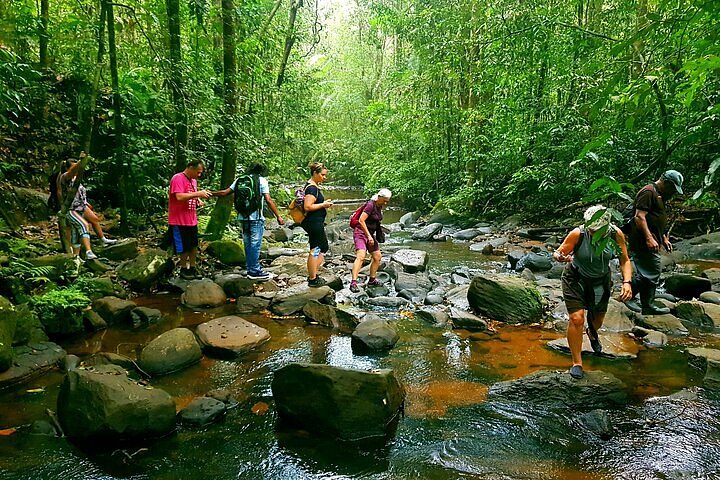

Sri Lanka's Biodiversity Crown Jewel
Sinharaja Rain Forest Reserve represents Sri Lanka's last significant expanse of virgin tropical rainforest and stands as one of the world's most important biodiversity hotspots. Designated a UNESCO World Heritage Site in 1988 and an International Biosphere Reserve, this 11,187-hectare forest harbors an extraordinary concentration of endemic species found nowhere else on Earth. Over 50% of Sri Lanka's endemic trees, 50% of endemic mammals, and an incredible array of endemic birds, reptiles, amphibians, and insects call Sinharaja home. Trekking through this primeval forest feels like stepping back millions of years to experience nature in its most pristine, untouched state.
The name "Sinharaja" translates to "Kingdom of the Lion," though ironically no lions inhabit the forest. Instead, it's home to purple-faced langurs swinging through the canopy, endemic birds creating spectacular mixed-species feeding flocks, giant squirrels leaping between towering trees, and countless insects including brilliantly colored butterflies. The multi-layered forest canopy creates a cathedral-like atmosphere where sunlight filters through in mystical shafts, streams cascade over moss-covered rocks, and the air vibrates with the calls of unseen creatures. For nature enthusiasts, birdwatchers, and anyone seeking genuine wilderness immersion, Sinharaja offers experiences impossible to replicate elsewhere.
UNESCO World Heritage Site
Sinharaja's exceptional biodiversity and pristine condition earned UNESCO World Heritage status in 1988. Over 60% of trees are endemic, and the forest hosts more endemic species per hectare than any other rainforest in Asia.
Incredible Biodiversity
Sinharaja's species diversity is staggering. The forest contains 217 woody plant species including 139 endemic trees such as towering Dipterocarpus species that form the emergent canopy layer. Medicinal plants abound, many used in traditional Ayurvedic medicine for centuries. The understory vegetation includes endemic palms, ferns, orchids, and countless other plant families creating a green wonderland of botanical diversity. Lianas and epiphytes festoon tree trunks, while fungi decompose fallen logs in endlessly fascinating patterns and colors.
Birdwatchers consider Sinharaja paradise. All 33 of Sri Lanka's endemic bird species occur here, many reliably found in the spectacular mixed-species feeding flocks that move through the forest. These flocks can contain 40-50 birds from 10-15 different species traveling together for mutual protection and foraging efficiency. Endemic species like the Sri Lanka blue magpie, red-faced malkoha, Ceylon grey hornbill, and orange-billed babbler create colorful, noisy spectacles as the flocks pass. Patient observers might spot the rare green-billed coucal or Sri Lanka wood pigeon, while raptors like the changeable hawk-eagle patrol above the canopy.
Mammals include the endemic purple-faced langur, whose territorial calls echo through the forest at dawn and dusk. Giant squirrels, three times the size of common squirrels, leap impossibly long distances between trees. Endemic mongoose species hunt on the forest floor, while fishing cats patrol streams at night. Leopards inhabit Sinharaja but are rarely seen in the dense vegetation. Reptile diversity includes numerous endemic snakes, colorful lizards like the green pit viper, and ancient species of geckos. The amphibian community features endemic frogs in rainbow colors, many discovered only recently by scientists still cataloging Sinharaja's biodiversity.
The Trekking Experience
Guided treks through Sinharaja range from 2-3 hour introductory walks to full-day expeditions penetrating deep into the forest interior. All visitors must be accompanied by licensed guides—a requirement that serves both safety and conservation purposes, as guides know the trails, can identify species, and ensure visitors don't damage sensitive ecosystems. The most popular route follows trails from the Kudawa entrance through primary forest to waterfalls and pristine streams, though other entry points offer alternative experiences with varying terrain and species diversity.
Trekking in Sinharaja is moderately challenging. Trails involve stream crossings (sometimes waist-deep during rainy periods), steep sections, slippery roots and rocks, and occasional leeches—all part of the authentic rainforest adventure. The reward is walking through genuinely pristine wilderness where humans are visitors in nature's domain rather than the reverse. Your guide will spot and identify birds, mammals, insects, and plants you'd never notice alone, explaining ecological relationships and fascinating natural history facts that bring the forest alive.
The sensory immersion is profound. You'll hear the constant drip of water from leaves, calls of unseen birds echoing through the canopy, rustling as troops of langurs move overhead, and the rush of streams cascading over rocks. The air smells of damp earth, decomposing leaves, and growing things—the scent of life in its most vibrant form. Humidity envelops you, and within minutes you'll be soaked with sweat and possibly rain, but this discomfort fades as you become absorbed in the incredible life surrounding you. It's physically demanding but spiritually refreshing—a genuine wilderness experience increasingly rare in our developed world.
Sinharaja Trails Compared: Which Route Suits You?
Sinharaja offers multiple entry points and trail options, each delivering a different experience. Choose your route based on fitness level, time available, and what you most want to see:
🟢 Kudawa Entrance (Easy, 3–4 hours): The most popular and accessible route. Flat to gently undulating terrain through primary rainforest. High probability of spotting mixed-species bird flocks, giant squirrels, and purple-faced langurs. Best for families, first-time visitors, and birdwatchers. Guide fee ~LKR 1,500.
🟡 Pitadeniya Entrance (Moderate, 4–5 hours): Less crowded with moderate elevation gain. Passes through stunning canopy sections and natural swimming pools. Excellent for endemic bird species including the Sri Lanka blue magpie and red-faced malkoha. Requires reasonable fitness.
🔴 Morningside to Sinhagala Peak (Challenging, 6–8 hours): A demanding full-day trek reaching Sinharaja's highest viewpoint (1,170m). Steep ascents through leech-heavy terrain — long pants and leech socks essential. Rewards include panoramic canopy views, rare montane species, and genuine wilderness immersion. For experienced hikers only.
Essential Trekking Tips
- Hire licensed guide: Mandatory and invaluable for species identification and forest navigation
- Wear appropriate gear: Long pants, long sleeves, closed shoes with good grip; leeches are common
- Bring leech socks: Special socks or gaiters prevent leeches; available at entrances or bring own
- Waterproof everything: Rain can start anytime; protect cameras, phones, documents in dry bags
- Pack light but essential: Water, snacks, first aid, insect repellent, small towel
- Start early morning: Wildlife most active dawn-mid morning; cooler temperatures
- Be physically prepared: Moderate fitness needed; terrain is challenging with stream crossings
- Respect wildlife: Observe quietly from distance; no feeding, touching, or disturbing animals
When to Visit Sinharaja
Sinharaja can be visited year-round, though conditions vary seasonally. The drier periods from January to April and August to September offer the most comfortable trekking with less rain and lower stream levels making crossings easier. However, these months still see frequent showers—it's a rainforest after all—and vegetation remains lush. Birdwatching is excellent year-round, with resident species always present and mixed-species flocks occurring daily regardless of season.
The monsoon periods (May-July for southwest monsoon, October-December for northeast) bring heavy rainfall that makes trekking more challenging but also more dramatic. Waterfalls flow at full force, the forest feels even more primeval, and animal activity remains good despite wet conditions. If you don't mind getting thoroughly soaked and navigating more difficult stream crossings, monsoon visits offer fewer tourists and arguably the most authentic rainforest experience. Always check weather forecasts and be prepared to adjust plans if conditions become dangerous.
Location and Access
Sinharaja has several entry points, with Kudawa on the southern side being most popular and easily accessed from Galle or the south coast (approximately 2-2.5 hours drive). The northern entrance at Morningside/Weddagala is closer to Ratnapura and offers different trail options. Deniyaya entrance provides access to the eastern sections. Most visitors approach from the south coast, making Sinharaja a feasible day trip from beach accommodations in Galle, Hikkaduwa, or Unawatuna, though staying overnight in nearby villages like Deniyaya allows earlier starts and multiple treks.
Basic guesthouses and eco-lodges near the forest entrances provide simple accommodation and can arrange guided treks. Staying in these small villages offers insights into rural Sri Lankan life while supporting local communities economically dependent on sustainable tourism. Some lodges employ local villagers as guides, directly benefiting conservation by providing alternatives to activities like logging or poaching that once threatened the forest.
Trek Sinharaja Rain Forest
Experience Sri Lanka's biodiversity hotspot with expert naturalist guides. We arrange transport, licensed guides, and accommodation for unforgettable rainforest adventures.