
Why Udawalawe is Sri Lanka's Best Elephant Destination
If you want to see elephants in Sri Lanka, Udawalawe National Park is your best bet. While Yala is famous for leopards and Minneriya for seasonal elephant gatherings, Udawalawe offers year-round, guaranteed elephant sightings in a spectacular setting. The park is home to an estimated 600-800 wild elephants—one of the highest densities in Asia—and during a typical safari, you can expect to see anywhere from 20 to 100 elephants, from tiny calves to massive tuskers.
Established in 1972 as a sanctuary for wildlife displaced by the construction of the Udawalawe Reservoir, this 308-square-kilometer park features open grasslands, scrublands, and forest patches that make wildlife spotting remarkably easy compared to denser jungles. The landscape is dominated by the stunning reservoir, around which elephants gather to drink, bathe, and socialize. The relatively open terrain means you'll enjoy excellent photography opportunities and intimate wildlife encounters that feel truly wild, not staged or artificial like some elephant experiences elsewhere.
Guaranteed Elephant Sightings
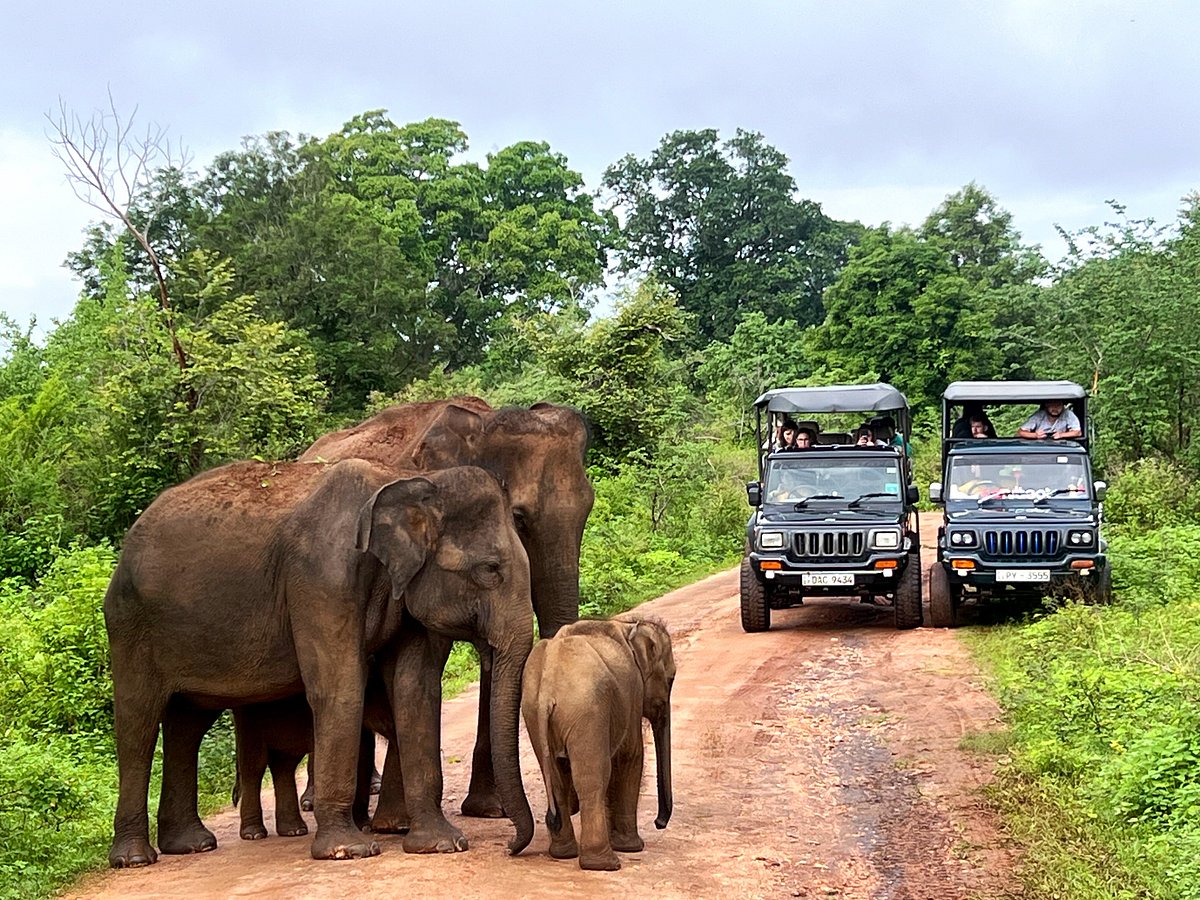
Udawalawe boasts one of the highest elephant populations in Sri Lanka with sightings virtually guaranteed on every safari. The open grasslands make spotting these magnificent creatures much easier than in dense jungle parks.
What to Expect on Your Safari
Udawalawe safaris are conducted in open-top 4x4 jeeps that accommodate up to six passengers plus your driver-guide. Most safaris last 3-4 hours, departing either early morning (starting around 6am) or late afternoon (around 2:30pm). The morning safari is particularly magical as you'll witness elephants emerging from the forest to graze in the soft golden light, often with mist rising from the reservoir creating an ethereal atmosphere perfect for photography.
Your experienced tracker-guide will navigate the network of tracks throughout the park, stopping whenever wildlife is spotted. Besides the star attraction—elephants—you'll likely see water buffalo, spotted deer, sambar deer, wild boar, crocodiles basking by the reservoir, and if you're lucky, a sloth bear or leopard. The birdlife is exceptional with over 180 species recorded, including impressive raptors like white-bellied sea eagles and crested serpent eagles soaring overhead.
The highlight of any Udawalawe safari is watching elephant families interact. You'll see protective mothers shepherding playful calves, teenagers testing their strength in mock battles, and massive bulls peacefully grazing. The reservoir area is particularly rewarding, with elephants often bathing, spraying water, and engaging in social behaviors. Unlike overcrowded safaris in some parks, Udawalawe maintains good visitor management, so you'll rarely find more than a few jeeps at any sighting, ensuring a more authentic and peaceful wildlife experience.
Best Time to Visit Udawalawe
One of Udawalawe's greatest advantages is that it offers excellent wildlife viewing year-round. Unlike some parks where animal movements are heavily influenced by seasons, Udawalawe's permanent water sources and consistent food supply mean elephants are always present. However, the dry season from May to September is considered peak time, as animals concentrate around water sources, making sightings even more frequent and predictable.
The wet season from October to January brings lush green landscapes and dramatic skies, though occasional afternoon showers can interrupt safaris. Many photographers actually prefer this season for the vivid colors and interesting cloud formations. February to April offers a good balance with generally dry conditions and beautiful scenery. Regarding time of day, early morning safaris offer cooler temperatures and more active wildlife, while afternoon safaris can be rewarding as elephants come to the reservoir to drink before nightfall. Many visitors opt to do both a morning and afternoon safari to maximize their wildlife encounters.
Udawalawe Elephant Transit Home
Located just outside the park, the Elephant Transit Home (ETH) is a rehabilitation center for orphaned elephant calves that have been rescued from various situations—mother killed by poachers, separated from herds, or injured. Unlike some elephant attractions in Sri Lanka that have been criticized for their treatment of animals, the ETH operates with a strict no-contact policy that prioritizes elephant welfare and eventual release back into the wild.
Visitors can watch feeding times from a designated viewing platform (at 9am, 12pm, 3pm, and 6pm) where baby elephants are bottle-fed milk by their caretakers. It's an incredibly touching experience watching these orphans being cared for, knowing they're being prepared for life in the wild rather than a life of performing or giving rides. The center has successfully released numerous elephants back into Udawalawe National Park over the years, making it a genuine conservation success story.
We highly recommend combining your safari with a visit to the ETH, especially if you're traveling with children. The 9am or 12pm feeding can be visited before an afternoon safari, or the 3pm feeding after a morning safari. There's a small entrance fee, and strict rules prohibit getting close to the elephants or making loud noises, ensuring minimal stress to the animals. Photography is permitted from the viewing platform, and watching baby elephants eagerly drinking their milk bottles while playfully interacting with each other is guaranteed to be a highlight of your trip.
Your Safari Day: Hour-by-Hour Elephant Encounter Guide
Unlike most national parks where sightings require patience and luck, Udawalawe delivers almost guaranteed elephant encounters. Here's a realistic timeline of what a typical half-day morning safari looks like:
5:30 AM – Gate Entry: Arrive early to beat the queue. Park gates open at 6:00 AM. Your jeep driver will have a strategy based on recent sightings reported by the ranger network.
6:00–7:30 AM – First Encounters: Within 15–20 minutes of entering, expect your first elephant sighting. Morning herds (8–15 individuals) graze along the reservoir edges. Calves are most playful during this cool period.
7:30–9:00 AM – Deep Park Exploration: Venture deeper toward the central grasslands. This is peak activity time — bulls feed in the open, bird life explodes with bee-eaters and kingfishers, and you may encounter water buffalo or crocodiles at stream crossings.
9:00–10:30 AM – Water Hole Gatherings: As temperatures rise, elephants congregate at water holes for drinking and mud bathing. Groups of 30–50+ elephants gathering at a single water source is not uncommon. This is the best window for photography.
10:30 AM – Return: Heat intensifies and animals retreat to shade. Most half-day safaris conclude. By this point, you'll have typically seen 80–150 individual elephants, plus diverse birdlife and other mammals.
Essential Safari Tips
- Book with reputable operators: Ensure your safari company is licensed and follows ethical wildlife viewing practices
- Dress appropriately: Neutral colors (khaki, green, brown); avoid bright colors that might disturb wildlife
- Sun protection: Hat, sunglasses, and sunscreen essential—jeeps are open-top with limited shade
- Bring essentials: Water, snacks, binoculars, and fully charged camera with spare batteries
- Maintain silence: Keep voices low and avoid sudden movements near wildlife
- Stay in vehicle: Never exit the jeep unless your guide says it's safe—this is wild territory
- Respect wildlife: Don't ask drivers to get too close or chase animals for photos
- Early start: Morning safaris mean waking early, but wildlife activity makes it worthwhile
Beyond Elephants: Other Wildlife at Udawalawe
While elephants are the star attraction, Udawalawe hosts a rich diversity of wildlife that makes every safari unique. The park is home to an estimated 30-40 leopards, though these elusive cats are rarely seen due to the open terrain—they prefer to hunt at dawn and dusk in more covered areas. More commonly spotted are water buffaloes, often seen wallowing in mud or grazing in herds, and several species of deer including spotted deer with their distinctive white spots and larger sambar deer.
Bird enthusiasts will be thrilled with the variety of species. The reservoir attracts numerous waterfowl including painted storks, pelicans, and cormorants, while raptors like the white-bellied sea eagle and crested hawk eagle patrol the skies. Look out for the striking Sri Lanka grey hornbill and vibrant bee-eaters perched on branches. Crocodiles are frequently seen basking on reservoir banks or floating motionlessly in the water, and if you're exceptionally lucky, you might spot a sloth bear, though these are increasingly rare throughout Sri Lanka.
Getting to Udawalawe National Park
Udawalawe is strategically located making it accessible from multiple destinations. From Colombo, it's approximately 170 kilometers (4-5 hours drive) south via the Southern Expressway. From the south coast beaches of Mirissa, Tangalle, or Weligama, it's about 2.5-3 hours drive inland. Many visitors include Udawalawe as part of a circuit combining beaches, hill country, and wildlife—it works perfectly between Ella (3 hours) and the south coast, or as a stop between Colombo and Yala National Park.
The nearest town is Embilipitiya, about 25 kilometers away, though most visitors base themselves in guesthouses and hotels closer to the park entrance. Accommodation options range from budget guesthouses to comfortable safari lodges with pool facilities. We recommend staying within 10 kilometers of the park entrance to minimize travel time for early morning safaris. Most hotels can arrange safaris, though booking through us ensures you get experienced trackers and well-maintained vehicles at fair prices without commission markups.
Book Your Udawalawe Safari Adventure
Experience unforgettable elephant encounters with our expert guides. We provide professional safari jeeps, experienced trackers, and combine your safari with Elephant Transit Home visits for the complete experience.