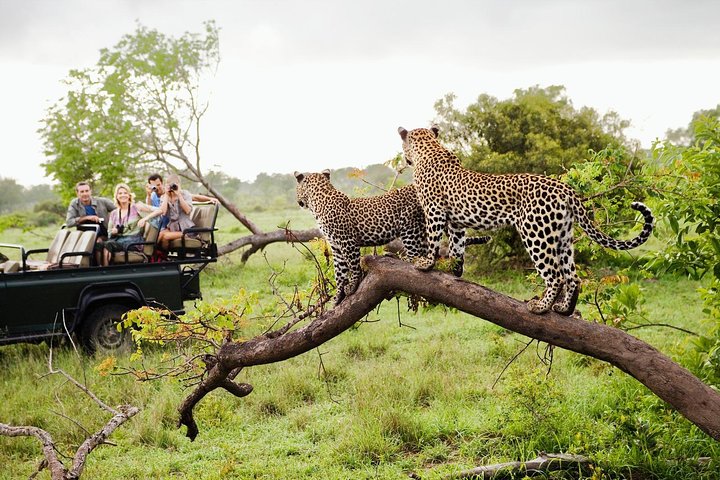

The Leopard Capital of the World
In the golden hour before sunset, a safari jeep rounds a bend in Yala National Park's dusty track. The driver cuts the engine. Ahead, barely 20 meters away, a magnificent leopard lounges on a massive granite boulder, its rosette-patterned coat glowing amber in the slanting light. The big cat surveys its domain with regal indifference, occasionally yawning to reveal formidable canines, while a dozen cameras click frantically from the vehicle below. This isn't a lucky once in a lifetime sighting this is a typical afternoon in Yala, where leopard encounters occur with thrilling regularity thanks to the world's highest density of these elusive predators.
Yala National Park, sprawling across 979 square kilometers of Sri Lanka's southeastern coast, represents the country's premier wildlife destination and one of Asia's most important conservation areas. The park protects an extraordinary ecosystem where dry zone forest meets coastal lagoons, creating habitat for an astonishing diversity of species. Beyond its famous leopards, Yala shelters large elephant herds, sloth bears, crocodiles, wild buffalo, and over 200 bird species including numerous endemic varieties found nowhere else on earth. Ancient ruins scattered throughout the park add cultural dimensions to wildlife viewing, remnants of Buddhist kingdoms that flourished here over 2,000 years ago.
Located approximately 265 kilometers southeast of Colombo and 97 kilometers from Tangalle, Yala offers accessible wilderness adventure with well-developed safari infrastructure. The park divides into five blocks, with Block 1 (Ruhuna) being the most visited and offering the highest probability of leopard sightings. Morning and afternoon safaris depart from multiple entry points, with experienced trackers who've spent lifetimes learning animal behavior patterns and favored territories. Whether you're a serious wildlife photographer, a family seeking adventure, or simply someone who's always dreamed of seeing big cats in the wild, Yala delivers experiences that exceed expectations.
World Record Leopard Density
Yala's Block 1 boasts the highest leopard density globally one leopard per square kilometer. Visitors have approximately 60-70% chances of spotting leopards during dry season safaris, far higher than any other destination worldwide.
The Stars of the Show: Yala's Leopards
Sri Lankan leopards (Panthera pardus kotiya) represent a subspecies distinct from their Indian and African cousins, slightly smaller but equally magnificent. What makes Yala exceptional isn't just leopard numbers but their visibility. Unlike forests where leopards remain hidden in dense vegetation, Yala's relatively open scrub habitat and the cats' habituation to safari vehicles means they often behave naturally even when observed lounging on rocks, drinking at waterholes, marking territory, and occasionally hunting in broad daylight.
Leopard behavior in Yala reveals fascinating insights into these solitary predators' lives. Males maintain large territories overlapping several female ranges, marking boundaries with scent and claw marks on trees. Photographers prize shots of leopards "scent marking" walking along roads and spraying vegetation to announce their presence to rivals and potential mates. The cats demonstrate remarkable climbing ability, often dragging prey into trees to protect kills from scavenging jackals and eagles, though in Yala's leopard-dominated ecosystem, they sometimes feed confidently on the ground.
Different leopards have become individually recognizable to regular guides and researchers, each with distinct spot patterns and personalities. Some, like the famous "Harak Hora" (literally "sleeping leopard" in Sinhala), gained near-celebrity status for regular appearances along main safari routes. Mothers with cubs provide particularly rewarding sightings, demonstrating the maternal behavior that ensures species survival teaching young leopards hunting techniques, protecting them from male leopards who might harm cubs, and gradually encouraging independence as juveniles mature.
The best leopard spotting occurs during dry season months (February-July), when reduced vegetation provides clearer sightlines and animals concentrate around remaining water sources. Early morning safaris (departing 5:30-6:00 AM) catch leopards still active from nighttime hunting, while late afternoon sessions (3:00-6:00 PM) find them emerging from daytime rest to begin evening hunts. Patience proves essential some safaris produce multiple leopard sightings within hours, others require waiting at known territories, but persistence typically rewards visitors with unforgettable encounters.
Beyond Leopards: Yala's Rich Wildlife Tapestry
While leopards command attention, Yala's biodiversity extends far beyond its apex predator. Asian elephants roam throughout the park in herds ranging from small family groups to gatherings of 30+ individuals. These gentle giants create memorable moments bathing in lagoons, dust-bathing on tracks, or simply crossing roads with calves protected by vigilant mothers. Yala's elephant population remains healthy and visible year-round, with dry season bringing particularly reliable sightings as herds visit accessible water sources.
The shy sloth bear, another of Sri Lanka's charismatic megafauna, inhabits Yala's forests though sightings occur less frequently than leopards or elephants. These shaggy-coated bears feed primarily on termites and fruit, using powerful claws to tear open termite mounds and sucking up insects through protruding lips. Lucky visitors might spot bears foraging in early morning or late afternoon, particularly near fruiting trees during mango season. Their somewhat comical appearance long snout, shaggy black fur, distinctive chest markings makes encounters especially memorable.
Wild water buffalo, with their massive curved horns and muddy hides, frequent the park's wetland areas. Unlike the smaller domestic buffalo seen throughout rural Sri Lanka, these wild specimens represent an ancient lineage, far more muscular and imposing. Bulls can be aggressive, particularly during mating season, adding an element of unpredictability to sightings. Sambar deer, Yala's largest deer species, and smaller spotted deer serve as primary prey for leopards, their vigilant behavior often alerting experienced guides to nearby predators.
Mugger crocodiles bask along lagoon shores and riverbanks, sometimes reaching impressive sizes of 3-4 meters. These prehistoric-looking reptiles demonstrate remarkable patience, remaining motionless for hours before explosively striking at prey. The park's wetlands also host water monitors large lizards that can exceed 2 meters in length and various snake species including cobras and pythons, though snake sightings require exceptional luck given their secretive nature.
Bird enthusiasts find Yala equally rewarding, with resident species supplemented by northern migrants during October-March. Endemic species like the Sri Lanka junglefowl (the national bird), Ceylon frogmouth, and numerous endemic subspecies attract dedicated birders. Spectacular species include painted storks, Asian openbills, spot-billed pelicans, and various kingfisher species that add brilliant color to wetland areas. Raptors patrol the skies crested hawk-eagles, white bellied sea eagles, and Brahminy kites hunt across different habitats, often appearing dramatically in safari photographs.
The Safari Experience
Yala safaris operate in rugged 4x4 jeeps, typically accommodating 6-10 passengers though private vehicles offer more flexibility and comfort. Safaris last 3-4 hours, departing either early morning or mid afternoon to coincide with peak animal activity periods. The park closes during midday heat when most wildlife rests in shade. Upon entering through one of several gates, vehicles follow an extensive network of dirt tracks winding through diverse habitats—dense scrub forest, open grasslands, rocky outcrops, lagoon edges, and coastal dunes.
Your driver-tracker serves as guide, navigator, and wildlife detective. Experienced trackers read subtle signs—paw prints in dust, alarm calls from deer, birds mobbing a hidden predator to locate animals. They communicate via mobile phones with other drivers, sharing information about leopard locations and significant sightings. This network greatly increases chances of seeing key species, though it also means popular leopard sightings can attract 10-20 vehicles. Park rules limit how many vehicles can view one animal simultaneously, though enforcement varies.
The landscape itself captivates even between animal sightings. Ancient granite outcrops form dramatic backdrops for photography, particularly during golden hour when warm light illuminates the rocks. Lagoons fringed with mangroves provide serene water scenes where reflection photography creates stunning images. The coastline, where park meets ocean, offers unique safari experiences watching elephants walk along beaches or seabirds wheeling above surf while jungle habitat stretches inland creates remarkable visual contrasts.
Historical sites scattered throughout Yala add cultural layers to wildlife viewing. The ancient Buddhist monastery at Sithulpawwa, built atop a rocky hill within the park, dates to the 2nd century BCE and once housed thousands of monks. Though not always included in standard safari routes, specialized tours can incorporate these archaeological elements. The juxtaposition of ancient stupas amid wilderness emphasizes humans' long relationship with this landscape, and how recent conservation efforts have allowed nature to reclaim former settlements.
When to Visit Yala
Timing significantly affects Yala safari experiences. The park closes annually during September-October for vegetation recovery and to minimize disturbance during critical breeding periods. During open months, seasons create distinct visiting conditions worth considering when planning your trip.
February-July (Dry Season) offers optimal wildlife viewing. Reduced vegetation provides clearer sightlines, and animals concentrate predictably around remaining water sources lagoons, waterholes, and rivers that maintain flow despite months without rain. Leopard visibility peaks during these months, particularly May-June when vegetation reaches its most sparse. Temperatures climb considerably (often exceeding 35°C), making early morning safaris more comfortable than afternoon sessions. Dust kicked up by vehicles can be significant, so bring protective gear for cameras and wear clothing you don't mind getting dirty.
November-January marks the transition and early wet season. Northeast monsoon rains green the landscape beautifully, and migratory birds arrive from northern breeding grounds, delighting bird enthusiasts. Wildlife becomes more dispersed as water availability increases throughout the park, reducing predictability but also meaning fewer vehicles competing for sightings. Temperatures moderate, creating more comfortable safari conditions. This period offers advantages for photographers seeking lush green backgrounds rather than dry season's golden-brown palette.
Weekdays vs. weekends matter at Yala, particularly during school holidays and long weekends when domestic tourism surges. The park limits daily vehicle entries, but popular times see those quotas filled early. Booking safaris for weekdays, especially outside holiday periods, generally provides more peaceful experiences with fewer vehicles crowding sightings. However, the network of communicating drivers means that even on busy days, information sharing helps everyone find the key species.
Planning Your Safari
Successful Yala safaris require some advance planning and preparation. Booking ahead is essential, particularly during peak season (December-March). Reputable operators often fill up weeks in advance, and last-minute bookings may force acceptance of less experienced guides or uncomfortable vehicles. Choose operators carefully cheaper options might save money but often use poorly maintained vehicles, inexperienced trackers, or rush through the park to fit more safaris daily.
Safari costs typically range from $40-80 per person for shared jeeps (6-10 passengers) or $150-300 for private vehicles accommodating 4-6 people. Prices include park entrance fees (foreigners pay higher rates than Sri Lankan residents), tracker fees, and vehicle costs. Private safaris offer significant advantages ability to linger at sightings you find interesting, better photography angles without competing for space, and flexibility to focus on your particular interests whether wildlife photography, birdwatching, or general game viewing.
What to bring: Sun protection is critical wide-brimmed hat, sunscreen, sunglasses, and light long sleeved clothing that covers skin while remaining breathable. Binoculars enhance wildlife viewing dramatically, allowing appreciation of distant animals and birds. Serious photographers should bring telephoto lenses (300mm or longer), dust protection for cameras, and extra batteries as cold morning temperatures can drain power quickly. Bring adequate water while guides provide some, the heat and dust create significant thirst. Snacks help maintain energy during long safaris, though avoid strong smelling foods that might attract unwanted attention from monkeys at rest stops.
Realistic expectations help avoid disappointment. While Yala offers exceptional leopard viewing, no wildlife experience guarantees sightings of specific species. Some safaris produce leopards within minutes, others require hours of patient searching, and occasionally leopards remain elusive despite best efforts. However, Yala's overall wildlife abundance means every safari produces memorable sightings. If not leopards, then perhaps elephants bathing, a sloth bear raiding a termite mound, or dramatic bird photography opportunities.
Getting to Yala
Yala's main entrance gates Palatupana and Katagamuwa sit near the coastal town of Kirinda and village of Tissamaharama (commonly called Tissa), which serve as primary bases for safari operations. From Tangalle, the journey covers approximately 97 kilometers and takes 2-2.5 hours via the coastal road through Hambantota. Many Tangalle-based operators offer Yala safaris as day trips, departing around 4:00 AM for morning safaris or mid-morning for afternoon sessions.
From Colombo, the 265-kilometer journey takes 5-6 hours via the Southern Expressway to Matara, then continuing along the coastal highway. Many visitors break this journey with overnight stops in Galle, Mirissa, or Tangalle, incorporating beach time with safari experiences. Some prefer staying in Tissamaharama itself, which offers abundant accommodation from budget guesthouses to luxury tented camps, all within 15-20 minutes of park gates.
Arugam Bay, on the east coast approximately 110 kilometers from Yala, provides another convenient base, particularly for surf enthusiasts combining beach activities with safaris. The route passes through Pottuvil and crosses interior regions showcasing rural village life. From the hill country (Ella, Nuwara Eliya), journey times exceed 4-5 hours, though the scenic route through mountains and tea estates rewards travelers with spectacular landscapes.
Most visitors arrange complete safari packages including transport from their accommodation, park entrance, tracker services, and return transfer. This simplifies logistics considerably compared to independent travel, particularly for early morning safaris when public transport options are limited. However, budget travelers can reach Tissa by public bus from major towns, then arrange safaris through hotels or directly with operators near the bus station.
Safari Season Calendar: Best Months by Animal
Timing your Yala safari correctly can dramatically improve your wildlife sighting chances. Here's a season-by-season breakdown of what you're most likely to encounter:
🐆 Leopards (February–July): The dry season concentrates animals around water sources, making leopard sightings peak during this window. May and June offer the highest encounter rates as vegetation thins and leopards patrol open terrain more frequently.
🐘 Elephants (June–September): Large herds gather near the Menik River and seasonal tanks. August brings spectacular gatherings of 50+ elephants in the northern edges of Block 1.
🦅 Migratory Birds (November–March): Over 30 migratory species arrive from Europe and Central Asia. Flamingos at Bundala (just next door) peak in January. The park's lagoons fill with painted storks, spoonbills, and pelicans.
🐻 Sloth Bears (June–July): Palu fruit season draws sloth bears into the open. Early morning safaris between 5:30–7:00 AM offer the best chances near rocky outcrops in Block 1.
🐊 Crocodiles (Year-round): Both mugger and saltwater crocodiles are resident species, but the dry season (May–September) concentrates them at shrinking water bodies, making sightings nearly guaranteed.
Essential Safari Tips
- Book private jeeps when possible: Better photography and flexibility worth the premium
- Start early: 5:30 AM departures catch most active wildlife
- Bring telephoto lens: 300mm+ essential for quality wildlife photography
- Protect against dust and sun: Harsh conditions for both people and equipment
- Stay quiet during sightings: Loud noises disturb animals and ruin others' experiences
- Respect park rules: Stay in vehicles, don't litter, follow tracker instructions
- Choose reputable operators: Experienced guides dramatically improve chances
- Be patient: Wildlife viewing requires time and isn't guaranteed
Conservation and Responsible Tourism
Yala's success as a wildlife destination creates both opportunities and challenges for conservation. Safari tourism generates significant revenue supporting park management and local communities, creating economic incentives for protecting wilderness. However, vehicle traffic, visitor behavior, and development pressures require careful management to prevent negative impacts on the very wildlife that attracts tourists.
Visitors can support responsible tourism by choosing operators who follow park rules—maintaining appropriate distances from animals, limiting time at individual sightings to allow other vehicles opportunities, staying on designated tracks rather than driving cross country. Never feed wildlife or encourage guides to harass animals for better photos. Report operators who violate rules to park authorities. These practices help ensure Yala remains viable habitat for future generations of leopards, elephants, and the remarkable diversity of life the park protects.
The park faces ongoing challenges from human-wildlife conflict at boundaries where elephants raid crops and leopards occasionally take livestock. Supporting conservation organizations working on these issues through donations or simply spreading awareness helps fund solutions like electric fencing, compensation programs for affected farmers, and community education initiatives. Your safari fee directly supports park operations, but additional contributions to conservation groups make meaningful differences in long-term wildlife protection efforts.
Ready for Your Yala Safari Adventure?
Experience the thrill of leopard spotting and diverse wildlife with our expert trackers. We arrange comfortable private jeeps and experienced guides for the ultimate safari experience.