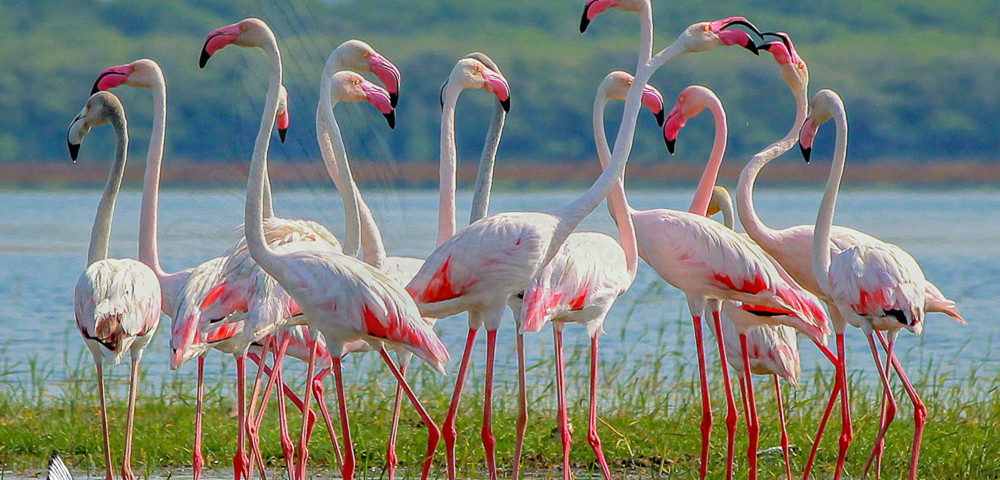

A Birdwatcher's Paradise
Kumana National Park, located on Sri Lanka's southeastern coast near Arugam Bay, stands as one of the island's most important avian habitats and a paradise for birdwatchers from around the world. The park's 35,664 hectares encompass diverse ecosystems including mangrove swamps, lagoons, scrublands, and forests that attract an astonishing 255 bird species—both resident and migratory. The famous Kumana Villu (swamp), also called Kumana Bird Reserve, serves as the park's centerpiece, drawing thousands of waterbirds during nesting season to create one of nature's most spectacular ornithological displays in Asia.
While birds are the star attraction, Kumana offers much more than avian encounters. The park hosts healthy populations of elephants, elusive leopards, sloth bears, spotted deer, wild boar, crocodiles, and numerous other mammals. Unlike the more famous but often crowded Yala National Park just to the south, Kumana remains relatively undiscovered, offering quieter safaris with fewer vehicles and more authentic wilderness experiences. The combination of exceptional birdlife, diverse mammals, pristine habitats, and peaceful atmosphere makes Kumana an essential destination for nature lovers seeking something beyond the typical tourist safari experience.
255 Bird Species
Kumana hosts an incredible 255 recorded bird species including rare endemics, spectacular waterbirds, and migratory species traveling from as far as Siberia. April to July is prime nesting season with thousands of birds congregating.
Spectacular Birdlife
The birdwatching highlight at Kumana occurs during the April to July nesting season when thousands of waterbirds descend on Kumana Villu swamp to breed. This 200-hectare swamp becomes a bustling avian metropolis with painted storks, pelicans, spoonbills, ibises, egrets, herons, and cormorants nesting in massive numbers on mangrove trees rising from the water. The cacophony of calls, the constant motion of birds arriving and departing, and the sheer density of nesting activity create an overwhelming sensory experience that ranks among Asia's great birdwatching spectacles.
Beyond Kumana Villu, the park's diverse habitats support an impressive variety of species. Sri Lanka's endemic birds well-represented include the Ceylon junglefowl (national bird), Sri Lanka grey hornbill, red-faced malkoha, and Ceylon wood pigeon. Raptors patrol the skies including white-bellied sea eagles, crested serpent eagles, and numerous hawk species. The mangrove areas host kingfishers, bee-eaters, and colorful sunbirds, while grasslands attract ground-dwelling species like larks and pipits. Serious birders can easily spot 80-100+ species during a single morning safari with experienced guides.
Migratory birds add seasonal variety, with species traveling from as far as Siberia, Europe, and India seeking refuge in Kumana's wetlands during northern hemisphere winters. These include various waders, ducks, and other waterfowl that swell bird numbers between October and March. The combination of resident species and seasonal migrants, plus the nesting spectacle from April-July, means Kumana offers rewarding birdwatching year-round, though different seasons provide different highlights for ornithology enthusiasts.
Mammals and Other Wildlife
While birds dominate Kumana's reputation, the park's mammal population deserves equal attention. Elephants are commonly sighted, particularly near water sources and during dry season months when they concentrate around remaining waterholes. The park hosts an estimated 30-40 resident elephants plus larger herds that move between Kumana and adjacent Yala National Park following ancient migratory routes. Watching elephant families interact near lagoons while thousands of birds swirl overhead creates uniquely memorable safari moments.
Leopards inhabit Kumana though sightings are less frequent than in Yala due to denser vegetation and lower vehicle numbers (meaning less systematic tracking). However, this also means leopard encounters feel more authentic and less staged. Other mammals include sloth bears (rare but present), spotted deer in large herds, sambar deer, wild boar, golden jackals, fishing cats near water bodies, and numerous small mammals. The park's crocodile population is substantial, with mugger crocodiles basking on lagoon banks providing excellent photo opportunities.
Best Time for Kumana Safari
Kumana's safari season runs from February to July, with the park typically closed during the northeast monsoon period from September to January when heavy rains make access difficult. The absolute peak time for birdwatchers is April through July when nesting activity at Kumana Villu reaches its crescendo with thousands of birds creating spectacular scenes. Early season (February-March) offers good general wildlife viewing with elephants more concentrated around water and vegetation still relatively green and lush from recent rains.
Morning safaris starting around 6am provide the best wildlife activity as animals are most active during cooler hours. Afternoon safaris beginning around 2:30-3pm can also be productive, especially for birds returning to roosts and elephants emerging to feed. Many serious birdwatchers do both morning and afternoon drives to maximize species counts. The light during early morning and late afternoon is also ideal for photography, with golden hour illumination creating beautiful conditions for capturing Kumana's scenic landscapes and wildlife.
Bird Migration Calendar: What's Flying When
Kumana (formerly Yala East) hosts one of South Asia's largest waterbird nesting colonies. The Kumana Villu (mangrove lagoon) attracts thousands of migratory and resident species throughout the year:
April–July (Nesting Season): The main event. Thousands of waterbirds including black-crowned night herons, little cormorants, Indian pond herons, and purple herons nest in the Kumana Villu mangroves. The lagoon becomes a noisy, spectacular breeding colony. This is the #1 reason to visit Kumana.
September–November (Autumn Migration): European and Central Asian migrants begin arriving — barn swallows, common sandpipers, curlew sandpipers, and various warblers. The park's grasslands attract migrant raptors including pallid harriers and Montagu's harriers.
December–March (Winter Residents): Peak diversity with both resident and migratory species present. Forest birds like the Sri Lanka junglefowl (national bird), green-billed coucal, and brown-capped babbler are active. Lagoon edges support migrant waders including greenshanks, redshanks, and stints.
Essential Safari Tips
- Bring binoculars: Essential for birdwatching; 8x42 or 10x42 recommended for best views
- Field guide helpful: Bird identification book for Sri Lanka or knowledgeable guide invaluable
- Photography gear: Telephoto lens (300mm+) for wildlife; bring spare batteries and memory cards
- Sun protection: Hat, sunscreen, sunglasses essential; jeeps are open-top with limited shade
- Dress appropriately: Neutral colors; long sleeves/pants protect from sun and branches
- Stay patient: Wildlife viewing requires patience; enjoy the journey, not just destinations
- Respect wildlife: Keep voices low; never ask drivers to chase animals or get too close
- Book experienced guide: Knowledgeable trackers make enormous difference in sightings and identification
Location and Access
Kumana National Park is located approximately 20 kilometers south of Arugam Bay, making it easily accessible from this popular surf town. The drive takes about 45 minutes through scenic countryside. From other directions, Kumana is roughly 90 minutes from Yala National Park and 3.5 hours from Ella. Most visitors base themselves in Arugam Bay and arrange day-trip safaris to Kumana, though some guesthouses and camps near the park entrance offer accommodation for those wanting multiple safari days or very early starts.
Safari arrangements can be made through tour operators, your accommodation, or directly with licensed jeep operators near the park entrance. Prices typically range from 8,000-15,000 LKR for a half-day safari depending on group size and included services. Some operators offer full-day safaris that allow more time exploring different areas of the park and potentially combining Kumana with nearby coastal areas or Panama village visits. We recommend booking through reputable operators who employ experienced tracker-guides knowledgeable about bird identification and animal behavior.
Experience Kumana's Wildlife
Join our expert-guided safaris to Kumana National Park for unforgettable birdwatching and wildlife encounters. We work with the best trackers who know where to find rare species and create memorable experiences.