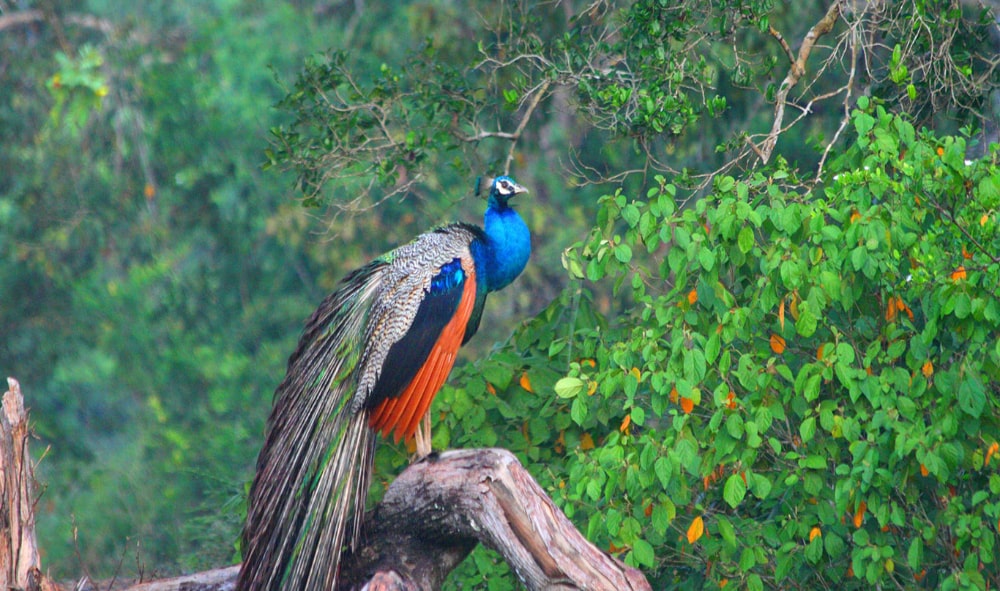

A Hidden Wetland Gem
Kalametiya Bird Sanctuary, located approximately 15 kilometers east of Tangalle on Sri Lanka's southern coast, protects a vital 617-hectare wetland ecosystem comprising lagoons, mangroves, salt marshes, and scrublands. This relatively undiscovered sanctuary attracts serious birdwatchers seeking a peaceful alternative to busier national parks, offering excellent opportunities to observe over 150 bird species in pristine natural habitats. The sanctuary's diverse wetland environments support resident waterbirds, migratory species traveling from as far as Siberia, and terrestrial birds utilizing the surrounding dry zone vegetation.
What makes Kalametiya special is its tranquil, uncrowded atmosphere. Unlike popular safari parks where jeeps compete for wildlife sightings, here you can walk quiet trails observing birds without disturbance from crowds or vehicles. The lagoon system creates perfect habitat for wading birds, ducks, and other waterfowl, while the mangrove forests harbor specialized species adapted to brackish water environments. The sanctuary also protects important nesting sites for sea turtles on adjacent beaches and provides habitat for mammals including spotted deer, wild boar, and occasionally elephants passing through the area.
Migratory Bird Haven
Kalametiya serves as crucial stopover habitat for migratory birds traveling between breeding grounds in northern Asia and wintering areas. October through March sees influxes of waders, ducks, and other waterfowl significantly boosting species diversity.
Birds of Kalametiya
The sanctuary's wetland habitats attract impressive waterbird diversity. Large waders include painted storks with their distinctive yellow bills and pink plumage, spot-billed pelicans congregating in fishing groups, and various heron species from tiny pond herons to massive grey herons standing motionless while hunting. Egrets in dazzling white plumage—cattle egrets, little egrets, and intermediate egrets—wade through shallows seeking fish and frogs. During migration season, numerous sandpiper and plover species probe mudflats for invertebrates, while stilts and avocets sweep their specialized bills through water.
The lagoon hosts various duck and other waterfowl species. Whistling ducks gather in large flocks, their calls creating constant chatter. Lesser whistling ducks and garganey ducks are common during migration periods. Cormorants and darters (snakebirds) dive for fish, often seen perched on dead trees with wings spread to dry. Purple swamphens skulk through reeds showing flashes of brilliant blue-purple plumage, while coots and moorhens paddle across open water. The rare pheasant-tailed jacana "walks on water" across floating vegetation on impossibly long toes.
Raptors patrol the sanctuary seeking prey. White-bellied sea eagles and brahminy kites circle overhead, while marsh harriers quarter low over reed beds hunting small mammals and birds. Kingfishers represent another highlight—common kingfisher, white-throated kingfisher, and the stunning stork-billed kingfisher all hunt fish from strategic perches. The surrounding dry zone scrub and forest patches host additional terrestrial species including bee-eaters, barbets, woodpeckers, and numerous small passerines, bringing total species counts for dedicated birdwatchers into triple digits during multi-hour visits.
Exploring the Sanctuary
Kalametiya can be explored via walking trails and observation points overlooking the lagoon and wetlands. The main entrance provides access to boardwalks and paths winding through different habitat zones. Early morning visits (starting at dawn) offer the best birdwatching as species are most active during cooler hours and lighting is ideal for observation and photography. The sanctuary remains relatively quiet with few other visitors, allowing peaceful immersion in nature's sounds—bird calls, rustling reeds, lapping water—without human disturbance.
While the sanctuary can be explored independently, hiring a local guide greatly enhances the experience. Knowledgeable guides know where different species concentrate, can identify birds by sight and sound, understand seasonal patterns, and spot creatures you'd never notice alone. They also provide ecological context explaining the wetland ecosystem, migration patterns, and conservation challenges. Guide services can often be arranged at the entrance or through nearby accommodations, typically costing 2,000-3,000 LKR for a 2-3 hour guided walk.
A typical visit lasts 2-4 hours depending on your level of interest and how many species you hope to observe. Serious birders often spend entire mornings here, especially during migration season when rare species might appear. The sanctuary offers no facilities beyond basic restrooms at the entrance, so bring water, snacks, sun protection, and insect repellent. Binoculars are essential for quality birdwatching, and cameras with telephoto lenses allow capturing images of birds that maintain distance from humans.
When to Visit
Kalametiya offers rewarding birdwatching year-round, though different seasons provide different highlights. The peak period runs from November through March when resident species are joined by numerous migratory birds escaping northern hemisphere winters. This influx significantly increases species diversity and provides opportunities to see rare migrants that visit only briefly. Duck species, waders, and other waterfowl swell in numbers, and the cooler dry season weather makes walking more comfortable.
April through October sees fewer migrants but resident species remain active and breeding behaviors add interest. Some species nest during these months, and observing nesting colonies or parent birds feeding young provides different but equally fascinating experiences. The green season brings lush vegetation and full water levels in the lagoon system. Rainfall can make visits less comfortable but also creates dramatically beautiful conditions with stormy skies and intense colors.
Essential Gear for Kalametiya Birdwatching
Kalametiya's wetland environment requires specific preparation to maximize your birdwatching experience. Here's what experienced birders recommend bringing:
🔭 Optics: Binoculars (8x42 or 10x42 recommended) are essential — most bird activity happens at 50–200 meter distances across the lagoon. A spotting scope on a tripod dramatically improves viewing of waders on distant mudflats. Phone-scope adapters work surprisingly well for digiscoping photographs through binoculars.
👕 Clothing: Wear muted, earth-toned clothing (khaki, olive, brown). Avoid bright colors and white — waterbirds are easily spooked. Long sleeves protect against sun exposure during extended observation periods. A wide-brimmed hat reduces glare and helps with optics use.
🎒 Essentials Checklist: Sunscreen (SPF 50+), insect repellent (mosquitoes are heavy at dawn/dusk), 2+ liters of water, a field guide (recommended: "A Field Guide to the Birds of Sri Lanka" by John Harrison), notebook for species logging, and a lightweight camp stool if you plan extended hides.
Birdwatching Tips
- Start early: Dawn to mid-morning offers peak activity; arrive by 6-6:30am for best sightings
- Bring binoculars: 8x42 or 10x42 magnification ideal for birdwatching at distance
- Field guide helpful: Sri Lanka bird guide aids identification of unfamiliar species
- Wear neutral colors: Avoid bright clothing that might disturb birds; earth tones blend better
- Move slowly and quietly: Sudden movements and loud voices frighten birds; patience rewarded
- Sun and insect protection: Limited shade; bring hat, sunscreen, insect repellent
- Hire local guide: Significantly enhances experience; spotting and identification expertise invaluable
- Respect wildlife: Maintain distance; never disturb nesting birds or feeding activities
Location and Access
Kalametiya Bird Sanctuary is located on the A2 coastal highway approximately 15 kilometers east of Tangalle. The entrance is clearly marked from the main road. From Tangalle, tuk-tuks charge around 1,000-1,500 LKR for return trips including waiting time while you explore. If staying in Tangalle area, many guesthouses and hotels can arrange transportation or guided visits. The sanctuary also lies between Tangalle and Hambantota, making it convenient to visit when traveling along the south coast or en route to/from Yala National Park.
Entrance fees are modest—typically 500-800 LKR for foreign visitors—supporting sanctuary maintenance and conservation programs. The sanctuary operates during daylight hours with gates typically opening around 6am and closing before dusk. Combining Kalametiya with other nearby attractions creates excellent full-day itineraries—Rekawa turtle watching in the evening, Hummanaya Blowhole, or beautiful south coast beaches all lie within short distances.
Discover Kalametiya's Birds
Join our guided birdwatching tours to Kalametiya Bird Sanctuary with expert naturalist guides who know where to find rare species and can identify birds by sight and sound.