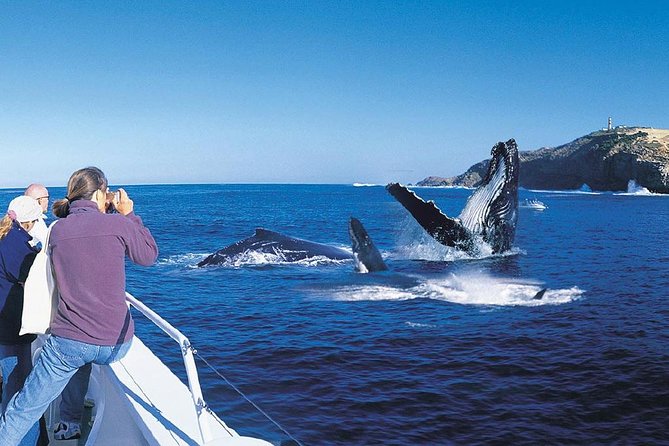

One of the World's Best Whale Watching Destinations
Imagine being on a boat in the deep blue waters of the Indian Ocean when suddenly, a massive blue whale surfaces just meters away, its enormous body breaking through the water before exhaling a powerful spout of mist into the air. This isn't a once-in-a-lifetime experience that happens to lucky few—it's a regular occurrence off the coast of Mirissa, Sri Lanka, which has earned recognition as one of the best places on Earth to see blue whales. These magnificent creatures, the largest animals ever to have existed (bigger than any dinosaur), migrate past Sri Lanka's southern coast in impressive numbers, creating an opportunity for one of the most awe-inspiring wildlife encounters imaginable.
Mirissa, a laid-back beach town on Sri Lanka's south coast, has become the epicenter of whale watching tourism, with numerous operators offering daily boat trips during the season. What makes Mirissa special is the combination of high whale encounter rates, relatively short boat journeys to reach deep water (typically 1-2 hours), and the variety of marine life spotted including blue whales, sperm whales, fin whales, and frequently large pods of spinner dolphins that put on acrobatic displays. The deep ocean trench located just a few kilometers offshore provides the perfect habitat for these marine giants, bringing them remarkably close to shore and making Sri Lanka one of the few places where you can see blue whales without venturing into extremely remote regions.
High Success Rate
During peak season, whale sightings occur on 90-95% of trips, with blue whales being the most commonly spotted species. Dolphin encounters are virtually guaranteed, often with pods of hundreds performing spectacular jumps and spins.
Best Time for Whale Watching
The prime whale watching season in Mirissa runs from November through April, coinciding with the calmer seas and drier weather on Sri Lanka's south coast. December through March represents the absolute peak period when whale sightings reach their highest frequency and sea conditions are typically ideal. During these months, blue whales migrate past Sri Lanka on their journey across the Indian Ocean, following food sources and traveling between feeding and breeding grounds. The combination of abundant whale presence and calm ocean conditions creates perfect circumstances for successful and comfortable whale watching trips.
While November and April bookend the season with slightly lower (but still good) sighting rates, December through March offers the most consistent encounters. During peak weeks, multiple whales might be spotted on a single trip, sometimes including different species. The southwest monsoon from May to October brings rougher seas that make boat trips uncomfortable and less safe, so most operators suspend whale watching during these months. If you're planning a Sri Lanka trip specifically for whale watching, aim for the December to March window for the best combination of calm seas, sunny weather, and high whale encounter rates.
Time of day matters too—virtually all whale watching trips depart very early morning, typically between 6am and 7am. This early start takes advantage of calmer morning seas before winds pick up, cooler temperatures that make the boat ride more comfortable, and the simple fact that whales seem more active and easier to spot during morning hours. Plan on waking up around 5am to reach the harbor for departure, which means arranging accommodation in Mirissa the night before rather than trying to arrive early morning from elsewhere.
What to Expect on a Whale Watching Trip
A typical whale watching excursion lasts 4-6 hours total, with boats departing from Mirissa harbor around 6-7am and returning by late morning or early afternoon. After a safety briefing and short harbor exit, boats head out into deeper water, which typically takes 30 minutes to 2 hours depending on where whales have been spotted recently. Captains communicate with each other via radio to share sighting locations, so routes adapt based on real-time information about whale activity. The journey out is often rewarded with dolphin sightings—large pods of spinner dolphins love to ride boat wakes, leaping and spinning in the air to the delight of passengers.
When whales are spotted, the captain slows the boat to maintain respectful distance (regulations require staying at least 100 meters away, though whales sometimes approach boats on their own). Blue whales are identified by their massive size (20-30 meters long), mottled blue-grey coloring, and the distinctive tall spout of water vapor they exhale when surfacing to breathe. Watching a blue whale surface, blow, potentially show its massive tail fluke, then dive back into the depths is an incredibly powerful experience that many describe as life-changing. The sheer scale of these animals is difficult to comprehend until you see one in person.
Besides blue whales, you might encounter sperm whales (identified by their angled blow and squared-off heads), Bryde's whales, fin whales, and occasionally orcas or pilot whales. Dolphin encounters are almost guaranteed, typically with large pods of spinner dolphins, sometimes bottlenose or spotted dolphins. Flying fish scatter from the boat's path, and occasionally sea turtles, whale sharks, or manta rays make appearances. The entire experience involves periods of scanning the horizon for spouts and signs of activity interspersed with exciting encounters when marine life is spotted. Bring binoculars to spot distant whales and patience for the stretches between sightings.
Choosing a Responsible Operator
Not all whale watching operators are equal, and choosing a responsible company is crucial for both your experience and whale welfare. Unfortunately, as whale watching has become popular, some operators engage in harmful practices like approaching whales too closely, chasing them at high speed, or allowing multiple boats to crowd around single animals—all of which causes stress to the whales and can be dangerous for passengers. Look for operators who are members of recognized whale watching associations, follow the Sri Lankan whale watching code of conduct, and prioritize whale welfare over getting the "perfect shot."
Reputable operators maintain safe distances from whales, never chase or harass marine life, limit the number of passengers per boat for better viewing and less environmental impact, provide safety equipment including life jackets, and employ experienced captains who know how to read whale behavior. They should also provide some educational component—briefings about the whales, their behaviors, conservation challenges, and how to be a responsible whale watcher. Be wary of operators offering suspiciously cheap rates, as they often cut corners on safety and ethics, or those making guarantees about whale sightings (reputable operators know wildlife encounters can never be 100% guaranteed).
Ask about boat size and passenger numbers—smaller boats with fewer passengers (20-30 people maximum) provide more intimate experiences with better viewing opportunities and less environmental impact than large boats packed with 100+ tourists. Some operators offer smaller speedboat options that reach whale areas faster, though these can be more physically demanding rides. We work with carefully vetted operators who prioritize responsible whale watching practices, ensuring your trip supports conservation efforts rather than harming the animals you've come to see.
Blue Whale Season: Month-by-Month Sighting Probability
Mirissa sits along one of the world's busiest blue whale migration corridors. Your chances of spotting these magnificent creatures depend heavily on timing. Here's what to expect each month:
November–December: Season begins. Blue whale sightings start increasing as pods migrate through the southern coast. Expect 50–60% sighting probability. Seas can be rougher, trips occasionally cancelled. Sperm whales also present.
January–February: Peak season. Blue whale encounter rates reach 85–95%. Multiple pods often spotted per trip. Calm seas make for comfortable voyages. Spinner dolphin super-pods of 500+ individuals are a spectacular bonus.
March–April: Late season. Still excellent at 70–80% sighting rates in March, declining through April. Bryde's whales become more common. Last chance before monsoon season disrupts viewing.
May–October (Off-Season): Southwest monsoon makes Mirissa whale watching impractical. However, Trincomalee on the east coast picks up with sperm whale sightings from May to September — consider rerouting your itinerary.
Essential Whale Watching Tips
- Book in advance: Peak season trips sell out quickly; reserve at least 2-3 days ahead
- Prevent seasickness: Take medication 30-60 minutes before departure; bring ginger candies
- Dress in layers: Cool early morning, hot later; bring light jacket and sun protection
- Bring essentials: Sunscreen, hat, sunglasses, water, snacks, binoculars, camera
- Waterproof everything: Spray and waves can wet you and your gear; use waterproof bags
- Eat light breakfast: Too much food increases seasickness risk; eat something but keep it simple
- Stay flexible: Trips may be canceled for rough seas; book with buffer days in your itinerary
- Listen to guides: Follow safety instructions and respect distance guidelines for whale welfare
Photography & Capturing the Experience
Photographing whales from a moving boat is challenging but incredibly rewarding. Use a fast shutter speed (minimum 1/500s, preferably 1/1000s or faster) to freeze motion and compensate for boat movement. A telephoto lens (200-400mm) helps capture closer shots without disturbing the animals, though a versatile zoom lens (24-200mm or similar) provides flexibility for both whale shots and wider scenes of dolphins or the overall experience. Keep your camera ready at all times—whales can surface unexpectedly, and you'll only have seconds to capture the moment before they dive again.
Focus on the area where you see the whale's blow or where guides are pointing, as whales typically surface in patterns allowing you to anticipate their next appearance. Shoot in burst mode to capture sequences of breaching, tail flukes, or blows. Don't get so absorbed in photography that you miss experiencing the encounter with your own eyes—consider capturing a few photos then putting the camera down to simply watch and absorb the incredible sight. Some moments are better stored in memory than on a memory card, and the emotional impact of seeing these giants up close can be diminished by viewing everything through a screen.
Protect your camera gear from salt spray by using rain covers or keeping it in waterproof bags between shots. Bring extra batteries and memory cards as cold morning temperatures can drain batteries faster, and you'll shoot more photos than expected. Consider bringing both a camera with telephoto lens and a smartphone for quick shots—often the best moments happen when you don't have your big camera ready, and modern smartphones can capture impressive images. Most importantly, remember that the experience itself is more valuable than any photograph, so find the balance between documenting and truly experiencing this magical encounter.
Whale Conservation & Responsible Tourism
Blue whales are classified as endangered, with global populations still recovering from 20th-century commercial whaling that brought them to the brink of extinction. Ship strikes remain a significant threat to whales worldwide, including off Sri Lanka's coast where busy shipping lanes intersect with whale migration routes. Responsible whale watching tourism can support conservation by providing economic incentives to protect whales, funding research, and raising awareness about these magnificent animals and the threats they face.
When choosing a whale watching operator, ask about their conservation contributions—reputable companies participate in whale research by reporting sightings and photo-documenting individuals, support local conservation organizations, educate passengers about whale conservation, and follow ethical viewing practices that prioritize whale welfare. Your participation in responsible whale watching sends a message that these animals are worth more alive than dead, and that protecting their habitat benefits local communities economically through sustainable tourism.
Book Your Whale Watching Adventure
Join us for an unforgettable encounter with blue whales and dolphins. We work only with responsible operators who prioritize whale welfare and passenger safety for the experience of a lifetime.